Your Business
Pack Size Is the New Price Strategy For Retailers
29/06/2026 Smarter pack sizes help beverage retailers and suppliers protect margins, improve affordability, encourage trial and unlock profitable new purchasing occasions.
Price remains one of the strongest influences on beverage purchasing, but reducing the headline price is becoming increasingly difficult for retailers, importers and distributors. Alcohol duty rates increased by 3.66% from February 2026, while packaging, transport, warehousing and labour continue to place pressure on landed costs. For many suppliers, another round of discounting would increase volume without generating sufficient profit to justify the sale.
As shoppers become more careful about what they spend, drinks businesses need alternatives to repeated price promotions. Single serves, half bottles, smaller multipacks, sharing formats and premium miniatures can lower the cost of entry while preserving margin and brand value.
The more useful question is no longer simply how cheaply a product can be sold. Merchants should also ask how much a customer is prepared to spend on a particular occasion. A shopper may accept that a large multipack offers better value per litre but still choose a smaller format because it costs less at the checkout. In this environment, pack size becomes a pricing tool rather than a packaging decision.
Source: Coca-Cola Europacific Partners
Lowering the commitment without lowering the brand
A smaller pack allows a brand to offer a more accessible entry price without cutting its underlying price per litre. This distinction is particularly important for premium spirits, imported wines, craft beer, functional drinks and ready-to-drink cocktails, where the customer may be interested in the product but reluctant to commit to a full bottle or large multipack.
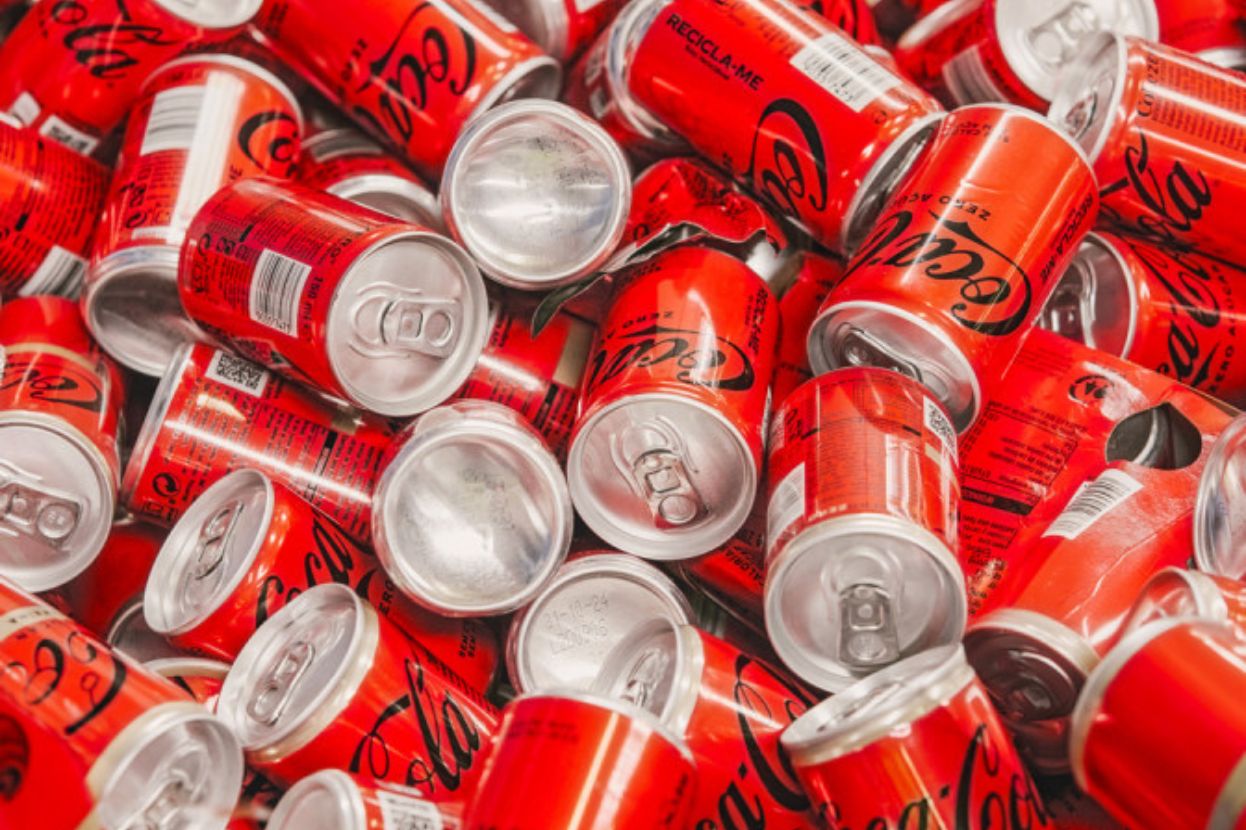
Coca-Cola Europacific Partners has made this logic part of its broader commercial strategy. The company describes using different pack sizes and price points to balance affordability with premiumisation. For beverage buyers, the lesson is not limited to soft drinks. A carefully constructed range can serve budget-conscious shoppers, regular purchasers and higher-spending customers without forcing every product into the same promotional cycle.
This approach should not be confused with shrinkflation, in which an established product becomes smaller without a sufficiently clear change in its value proposition. A successful pack-size strategy gives each format a distinct purpose. The smaller option may provide convenience or trial, the standard pack may serve routine consumption, and the larger format may be designed for sharing or stocking up.
Source: Vinca Wine
Single serves can make unfamiliar products easier to buy
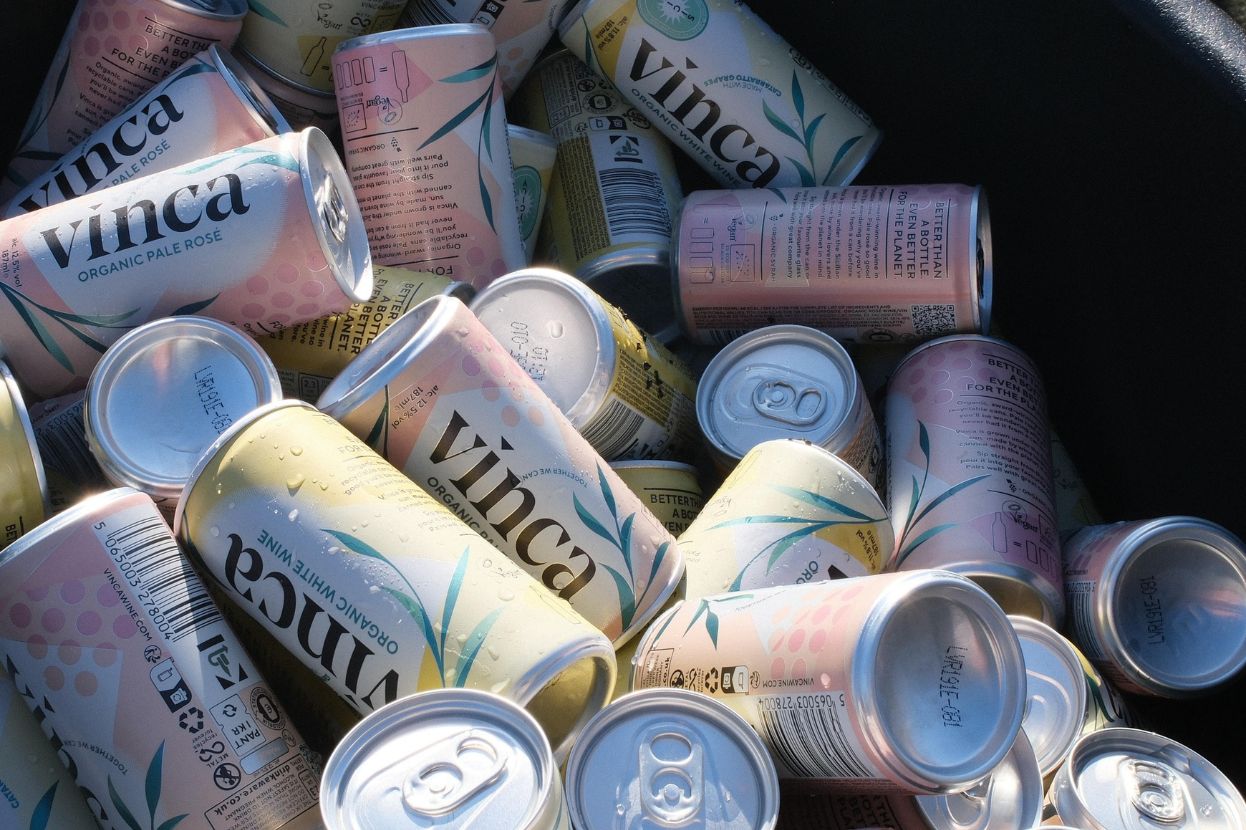
Single-serve cans and bottles are particularly effective when consumers are exploring an unfamiliar category. A customer who hesitates to spend £12 or £15 on a multipack may be willing to spend £2 or £3 on one chilled can, especially when the product is intended for immediate consumption. Marks & Spencer provides a useful example of how single serves can sit within a wider drinks range. Its current offer includes Vinca organic wine in an 18.7cl can, while its ready-made cocktail selection includes 25cl single serves alongside 50cl and 75cl formats. Rather than treating the can as a cheaper substitute for a bottle, the retailer can merchandise it around convenience, portion control, picnics, train journeys and informal drinking occasions.
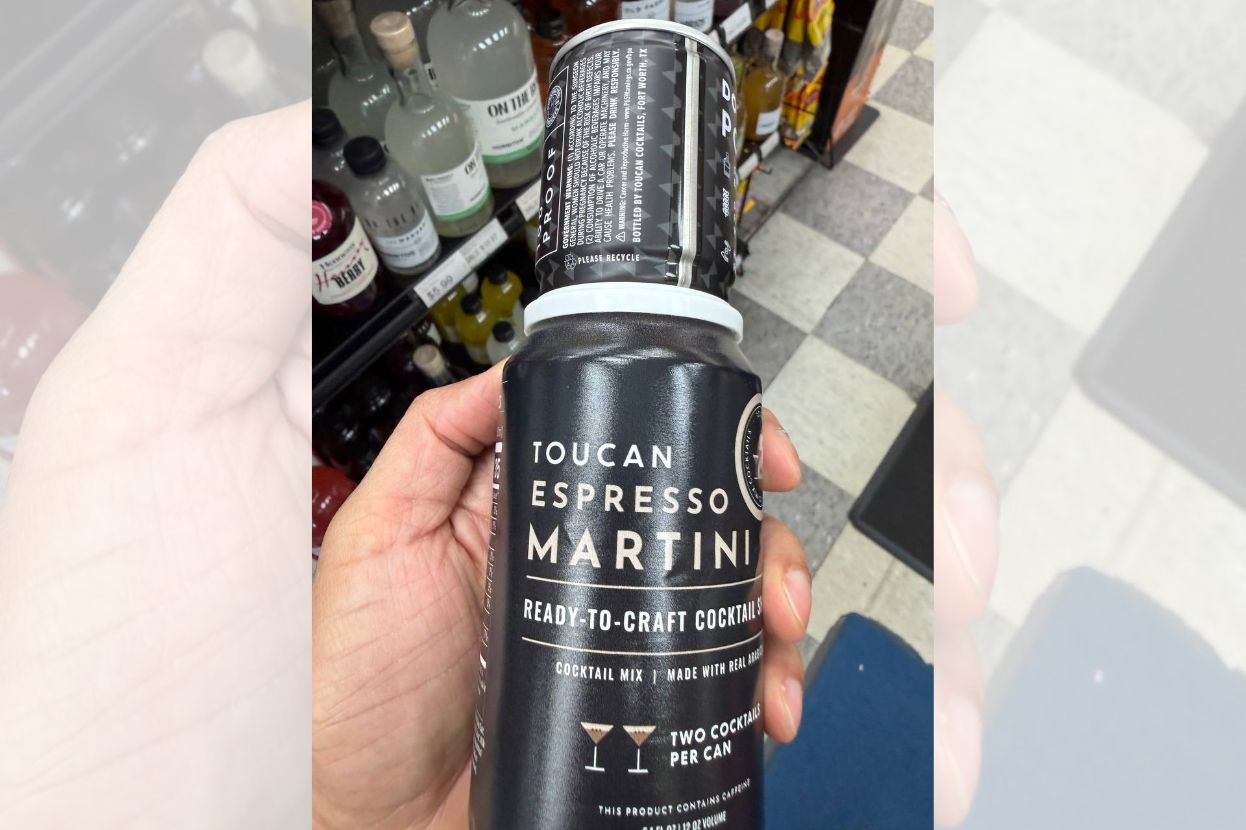
The opportunity extends well beyond wine and cocktails. Premium soft drinks, alcohol-free aperitifs, kombucha, craft beer and functional beverages can all use single serves to attract new customers. For independent merchants, they also create opportunities for mixed selections, meal deals and chilled impulse sales. However, a low shelf price does not automatically create a profitable item. Retailers must account for the cost of chilling, shelf replenishment, individual picking and the greater amount of packaging required per litre. The most important measure may therefore be cash margin per facing or per week, rather than margin percentage alone.
Source: The Little Fine Wine Company
Half bottles can bring premium wine within reach
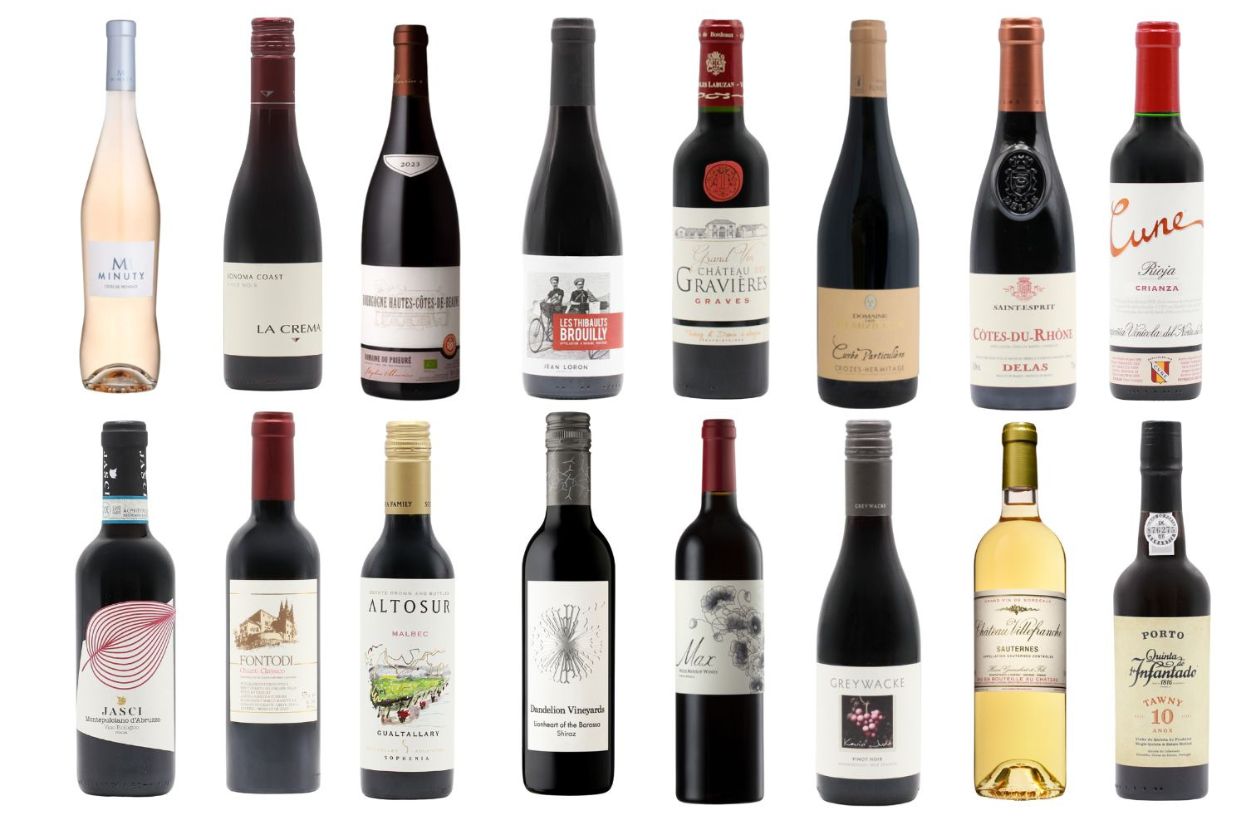
The traditional 75cl wine bottle does not suit every household or every occasion. Smaller households, moderate drinkers and customers who want different wines with different courses may prefer 37.5cl formats, even when the price per litre is higher. The Wine Society’s range demonstrates that half bottles can have a credible place in specialist retail. Its current selection includes dozens of half bottles across red, white, Champagne and fortified categories. The format enables customers to buy better wine at a lower total price, while also reducing concerns about waste from an unfinished bottle.
For importers, half bottles can provide a route into premium listings that would otherwise be difficult to secure. A restaurant-quality wine may appear expensive in a standard bottle but become more approachable when the cash price is reduced through a smaller format. The merchant protects the wine’s premium positioning because the price per litre has not been artificially lowered. There are operational complications as half bottles may require separate bottling runs, different cartons, new labels and higher packaging expenditure per litre. Before accepting the format, distributors should examine minimum order quantities, pallet efficiency and whether the projected rate of sale will justify carrying another SKU.
Source: The Grocer
Smaller multipacks can support regular purchasing
Single serves encourage trial, but they do not always provide the best balance between value and repeat purchasing. Smaller multipacks, including two-packs, three-packs and four-packs, sit between an individual drink and a large stock-up purchase, giving shoppers enough for an evening without requiring the cost of a full case. This format is especially relevant in convenience stores, where customers often make occasion-led purchases. Fever-Tree demonstrates how this can work across a range, offering tonic water in single-serve bottles and cans alongside larger sharing formats, with each size designed for a different drinking occasion.
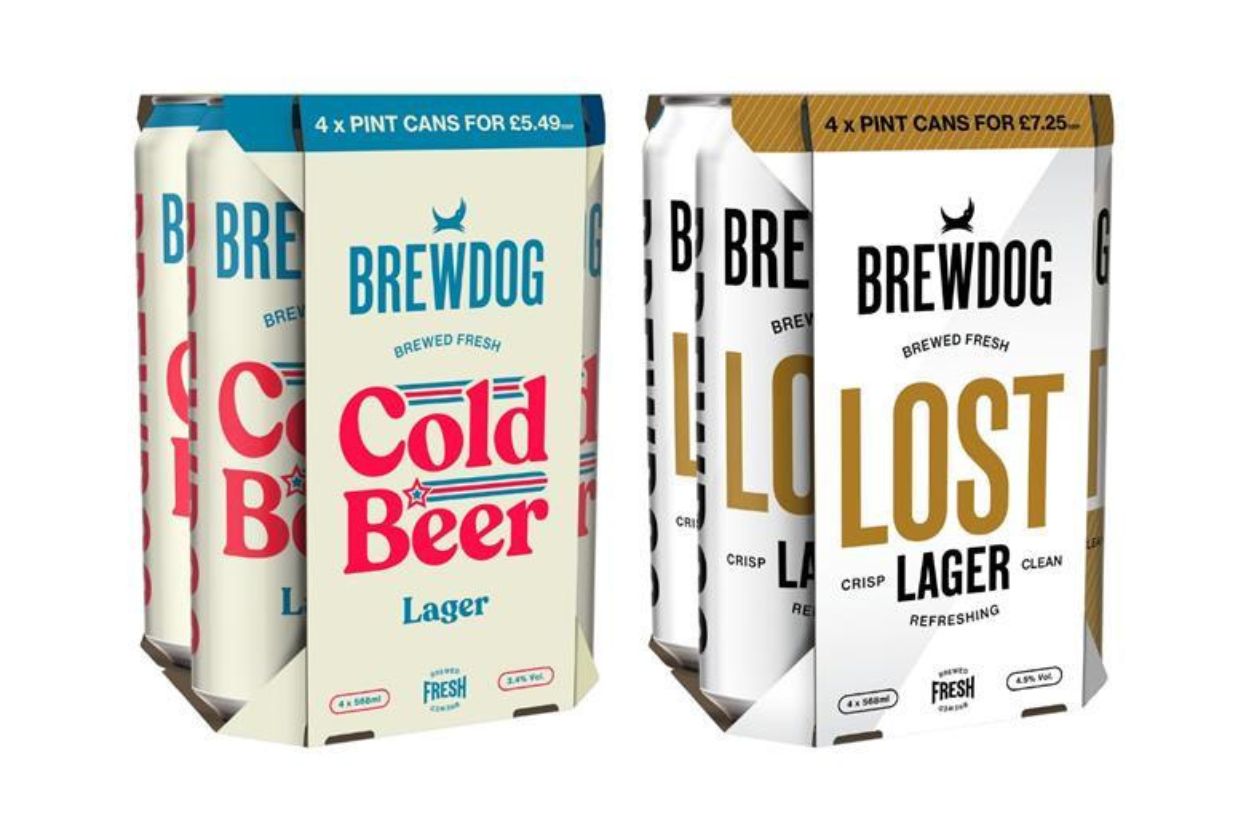
BrewDog provides another example as they introduced Lost Lager and Cold Beer in 568ml four-can price-marked packs for the convenience channel, using a lager format and visible entry price to appeal to shoppers managing a budget. The commercial lesson is that a smaller multipack must deliver value without weakening the rest of the range. A four-pack should offer a modest advantage over four single cans, while larger packs should retain a stronger stock-up benefit. Clear separation between trial, immediate consumption and planned purchasing helps prevent one pack size from cannibalising another.
Source: Marks and Spencer
Sharing formats creates value through the occasion
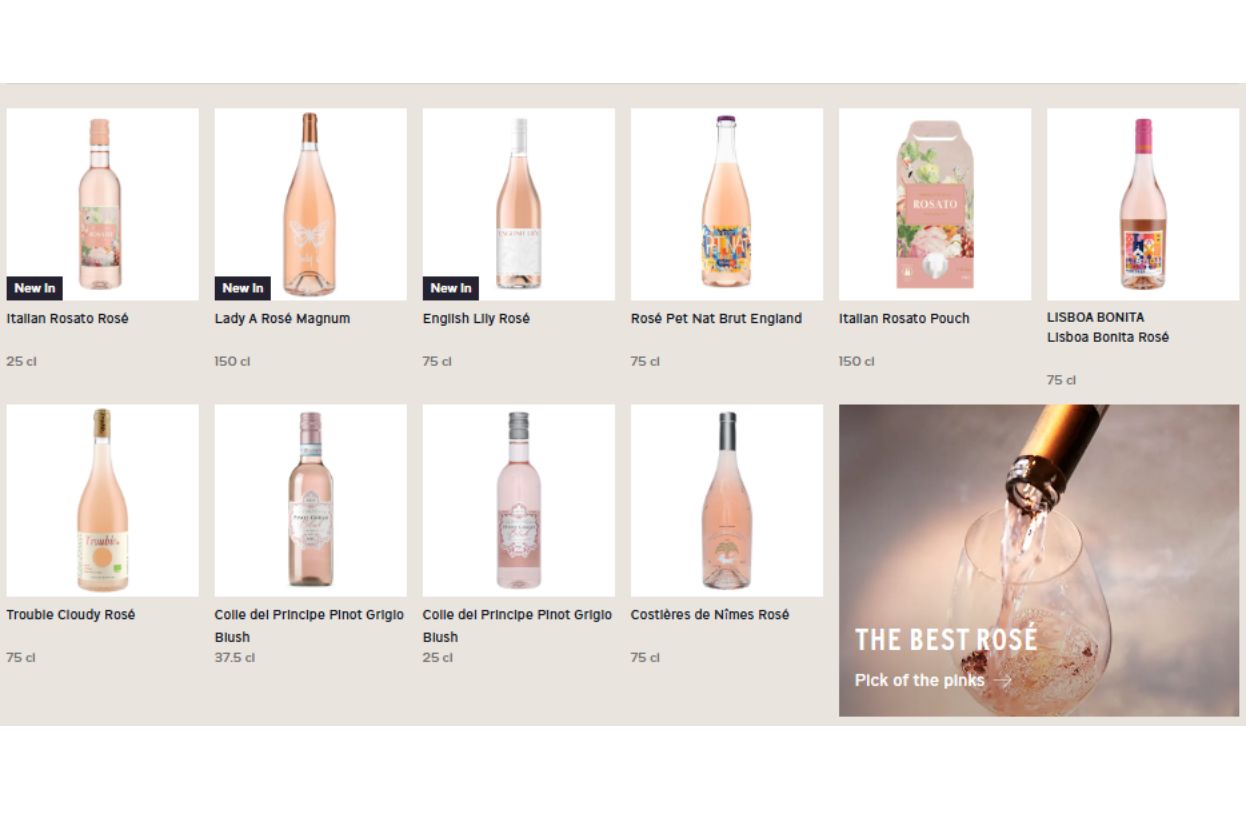
Not every affordability strategy requires a smaller container. Magnums, pouches, bag-in-box wines and multi-serve cocktails can offer an accessible cost per serving while protecting the product’s standard price. M&S, for example, presents rosé in mini bottles, standard bottles, magnums and pouches, enabling the retailer to address everything from individual consumption to summer gatherings. The larger format is not merely “more for less”; it is connected to barbecues, celebrations and entertaining at home. For merchants, the strongest sharing formats are those that solve a practical problem. A pouch may be easier to transport to an outdoor event, while a bag-in-box wine can remain fresh over a longer period after opening. A multi-serve cocktail removes the preparation work from a party. When the benefit is clear, the format can command a healthy margin without relying on a promotional sticker.
Source: Master of Malt
Premium miniatures can make discovery profitable
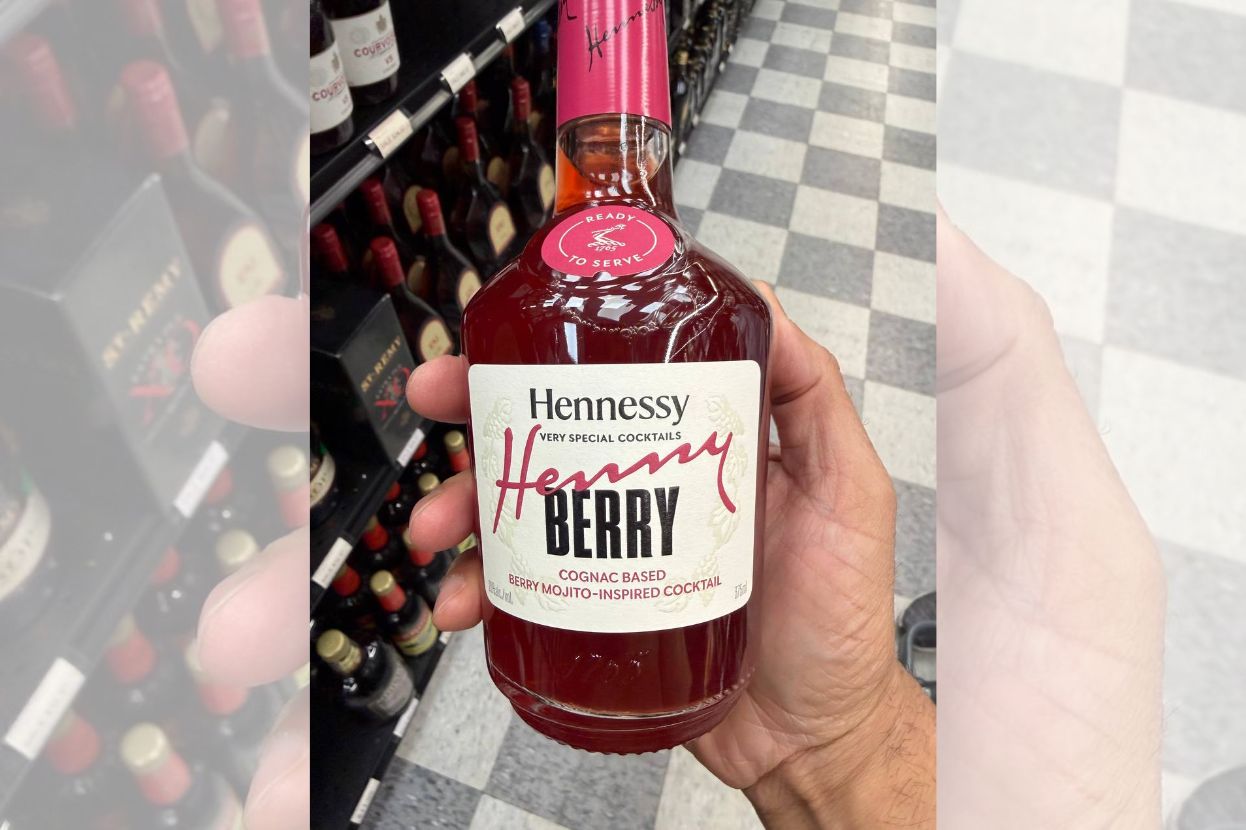
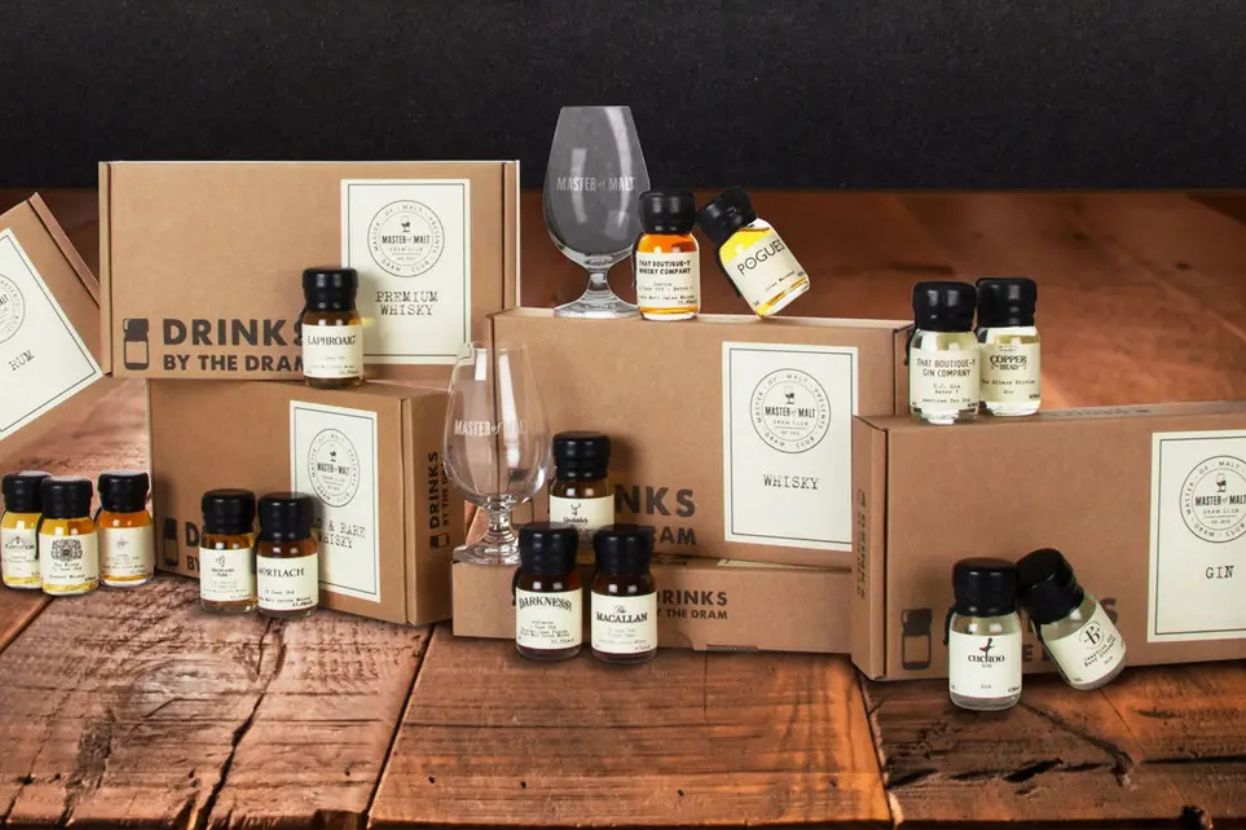
Miniatures are sometimes treated as low-value impulse products, but their real potential lies in discovery, gifting and education. Master of Malt’s Drinks by the Dram has developed tasting sets containing six, 12 or 24 spirit samples, turning a small quantity of liquid into a structured premium experience. This model can work well for whisky, rum, gin, agave spirits and liqueurs because customers can explore several products without purchasing multiple full bottles. Importers can use miniature sets to introduce a regional portfolio, while retailers can build them into Christmas ranges, corporate gifts, subscription boxes and guided tastings. The value is created by curation, presentation and information rather than volume. A poorly displayed collection of miniature bottles may appear cheap, but a well-designed tasting set can command a strong margin and introduce customers to full-size products.
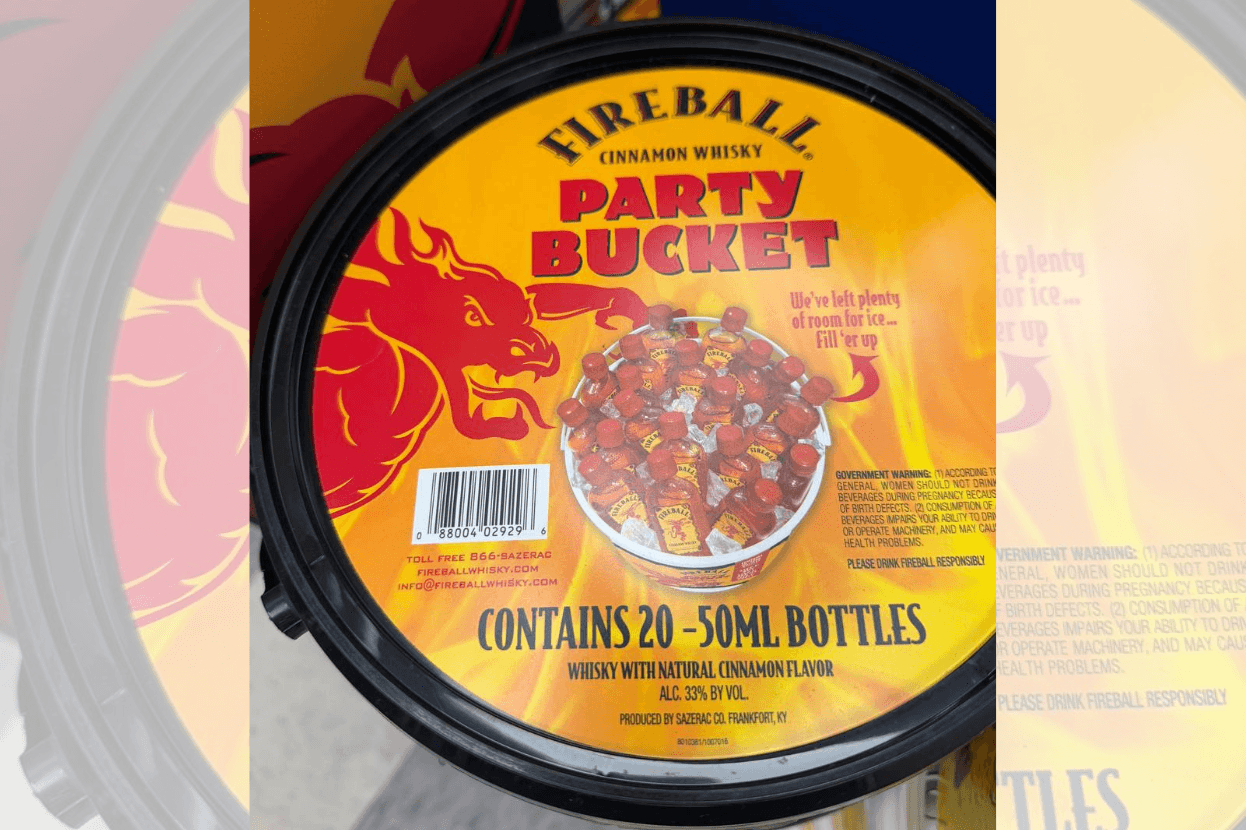
A successful pack-size strategy should do more than place several formats of the same drink on the shelf. It should create a clear purchasing journey, beginning with an accessible entry format, moving to a core pack for regular consumption, and ending with a larger or more premium format designed for sharing, gifting or stocking up. Single serves, half bottles, smaller multipacks, sharing formats and premium miniatures can each serve a different customer need, from trial and convenience to gifting and social occasions. The key is to give every format a clear commercial role and assess its landed cost, cash margin, rate of sale and operational demands. A well-planned pack architecture does more than lower the checkout price. It helps retailers, importers, and distributors attract new buyers, encourage repeat purchases and preserve the long-term value of the brand.
Header image source: Kandacork Glass