Supplier Support
Farming for the Future: A Glimpse into Hasher’s Biodiversity-First Vineyard Practices
03/02/2026 Why a young South African estate’s regenerative approach is resonating with sustainability-minded buyers
Belgium may be globally celebrated for its beer culture, but wine has never been its calling card. Yet in 2021, one Belgian family made an unlikely move that is now drawing international attention, not only for the quality of the wines produced, but for how they are grown. Hasher Family Wines, based in South Africa’s cool-climate Hemel-en-Aarde region, offers UK buyers a clear case study in what biodiversity-first viticulture looks like in practice, and why it matters.
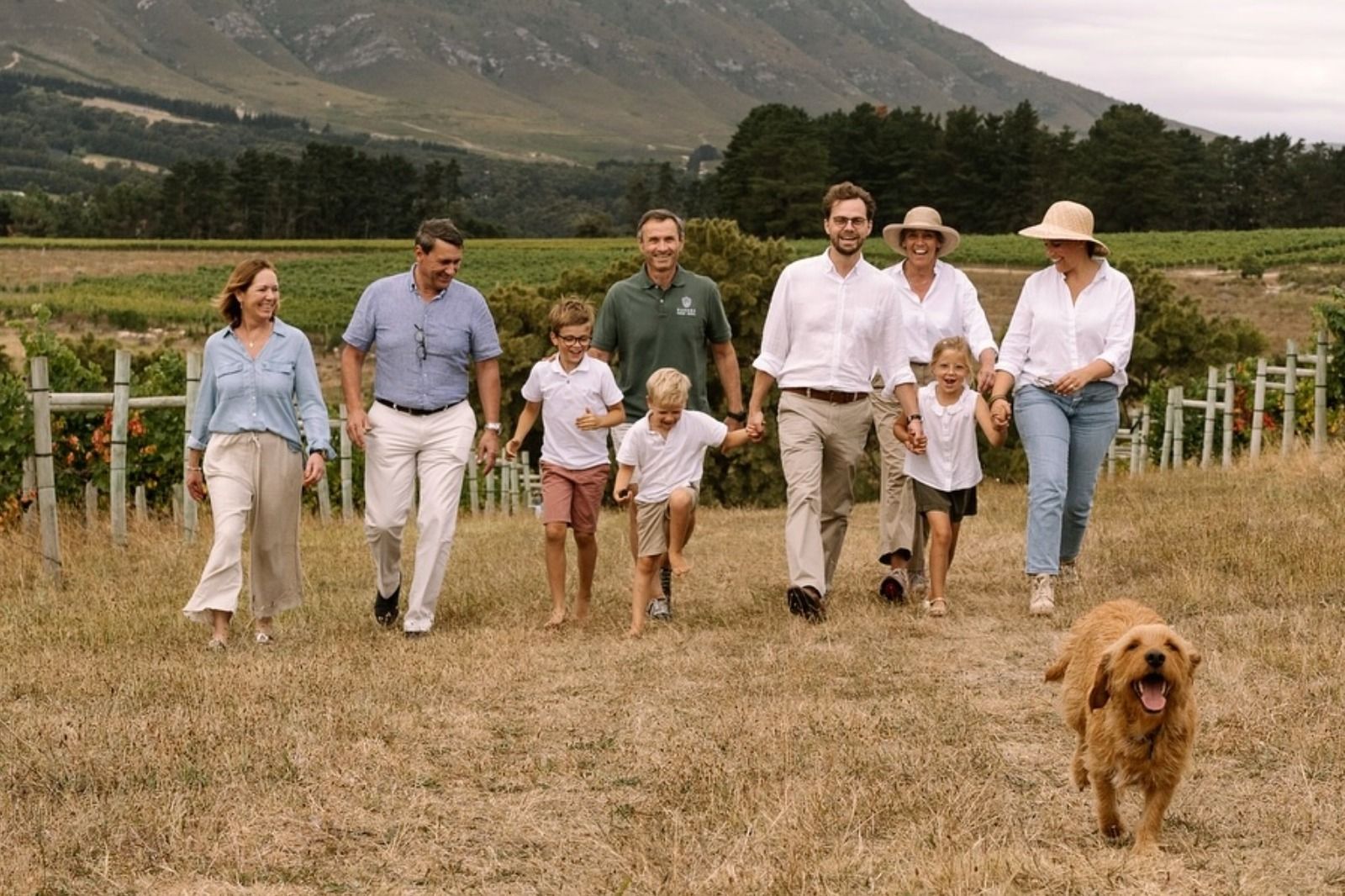
Founded by Frederik Herten and Céline Haspeslagh, alongside Céline’s uncle Xavier Haspeslagh and his wife Christine Bouckaert, Hasher Family Wines was born from a deeply personal vision. The family relocated with their three children to the Cape, acquiring a 180-hectare property just five miles from the Southern Ocean. What might seem like a bold leap was, in reality, years in the making shaped by long-held connections to the region and a shared passion for wine.
A cool-climate site worth protecting
The Hemel-en-Aarde Valley is one of South Africa’s most prized cool-climate regions, known for its suitability for Chardonnay and Pinot Noir. At Hasher, the vineyards benefit from a rare combination of influences: ocean breezes that temper temperatures, granite soils that provide essential micronutrients, and a clay base that helps retain moisture and keep vine roots cool. The slopes face northwest, allowing generous sunlight while maintaining a wide diurnal range. This balance supports optimal ripening without sacrificing acidity, key to producing fres and elegant wines. Importantly, Hasher’s planting decisions are driven by this natural suitability. Rather than forcing the land to conform to trends, the family has prioritised varieties that naturally thrive here, with Chardonnay and Pinot Noir dominating new plantings.
Regenerative farming as a foundation, not a marketing layer
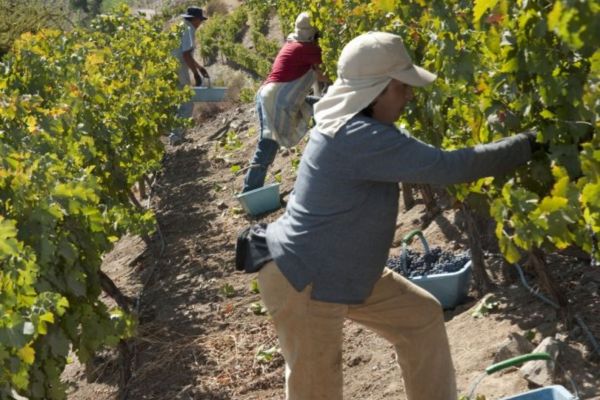
Hasher’s approach to sustainability goes far beyond surface-level claims. From the outset, the estate has adopted regenerative farming practices designed to improve soil health, encourage biodiversity, and reduce reliance on synthetic inputs. In practical terms, this includes careful pruning to balance vine growth, the use of organic fertilisers and composting, and permanent cover crops that protect soils and promote microbial life. Pest management relies heavily on nature itself, with endemic predator insects introduced to keep vineyard ecosystems in balance. Livestock also play a role, helping manage undergrowth while contributing to soil vitality.
The underlying belief is simple: a healthy ecosystem produces healthier fruit. As winemaker Natasha Williams explains, the team’s role is not to dominate nature, but to guide it gently, intervening only when necessary. For UK importers and retailers navigating increasing scrutiny around environmental credentials, this depth of commitment offers genuine reassurance.
Minimal interference in the cellar
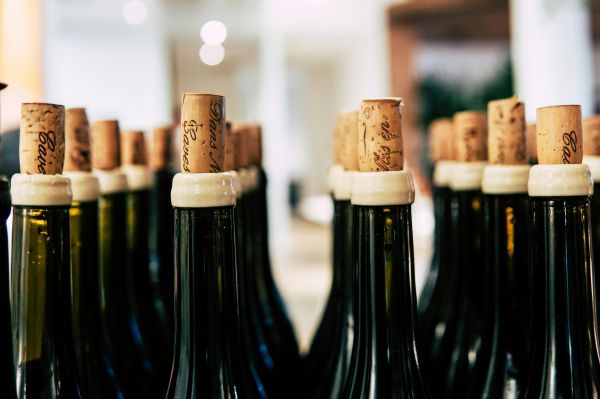
This low-impact philosophy continues into the winery. Hasher Family Wines follows a minimal-intervention approach, allowing vineyard character to carry through into the bottle. French oak barrels from Burgundy are used for fermentation and maturation, but always as a neutral vessel rather than a flavouring tool. Techniques such as excessive bâtonnage or heavy extraction are deliberately avoided. The aim is clarity and restraint; wines that reflect their origin rather than winemaking signature. The result is a portfolio defined by freshness, balance, and a strong sense of place, qualities that have already attracted international recognition, including a Master medal at The Drinks Business Autumn Tasting.
Biodiversity beyond the vineyard rows
Perhaps what's most striking for sustainability-focused buyers is how much of the Hasher estate is not planted to vine at all. One third of the property—around 60 hectares—has been set aside for conservation as part of the WWF Conservation Champion programme. This land protects indigenous fynbos, a globally unique and highly threatened biome found only in the Cape. Within the estate, there are currently 14 species of conservation concern whose habitats are actively preserved. This commitment is not treated as a side project, but as a core responsibility. The estate’s respect for local wildlife is even reflected in its wine range, such as the Batrachella Pinotage, named after Microbatrachella capensis, a critically endangered local frog species.
For UK buyers, particularly those supplying sustainability-driven on-trade accounts or independent retailers, this level of environmental stewardship provides a powerful and credible story. One that extends well beyond carbon metrics.
Why this matters for the UK market
For UK buyers, Hasher Family Wines represents a new generation of South African producers, globally minded, environmentally responsible, and deeply rooted in place. As sustainability moves from a “nice to have” to a commercial expectation, estates that embed biodiversity and regenerative practices into their core operations are likely to stand out.
Hasher’s story is not about rapid scale or bold claims. It is about patience, stewardship, and long-term thinking. In a market increasingly focused on farming for the future, that may be its most compelling asset of all.
Header image sourced from Hasher Family Wines.