Supplier Support
Kvevri, Heritage, and Science: The Georgian Winemaking Method the UK Market Needs to Know
02/02/2026 Eight thousand years old, UNESCO-recognised, and more relevant than ever
At a time when the UK wine market is searching for authenticity, provenance, and wines that genuinely stand apart, Georgia offers something no other wine-producing country can claim: an uninterrupted 8,000-year history of winemaking. Long before the wheel was invented, the people of what is known as Georgia to us today were harvesting grapes, placing them into clay vessels buried in the ground, and allowing nature to turn fruit into wine.
Remarkably, this method still exists today.
Georgia is not simply an old wine country. It is the cradle of wine. Archaeological evidence dating back to 6,000 BC confirms that fermented grape juice was being produced here millennia before modern viticulture emerged elsewhere. And unlike many ancient practices that survive only in museums, Georgia’s traditional clay vessels—known as kvevri—remain an active part of contemporary winemaking.
For UK buyers, sommeliers, and importers navigating a crowded global market, this is not just history. It is a compelling commercial story.
What is kvevri winemaking—and why does it matter?
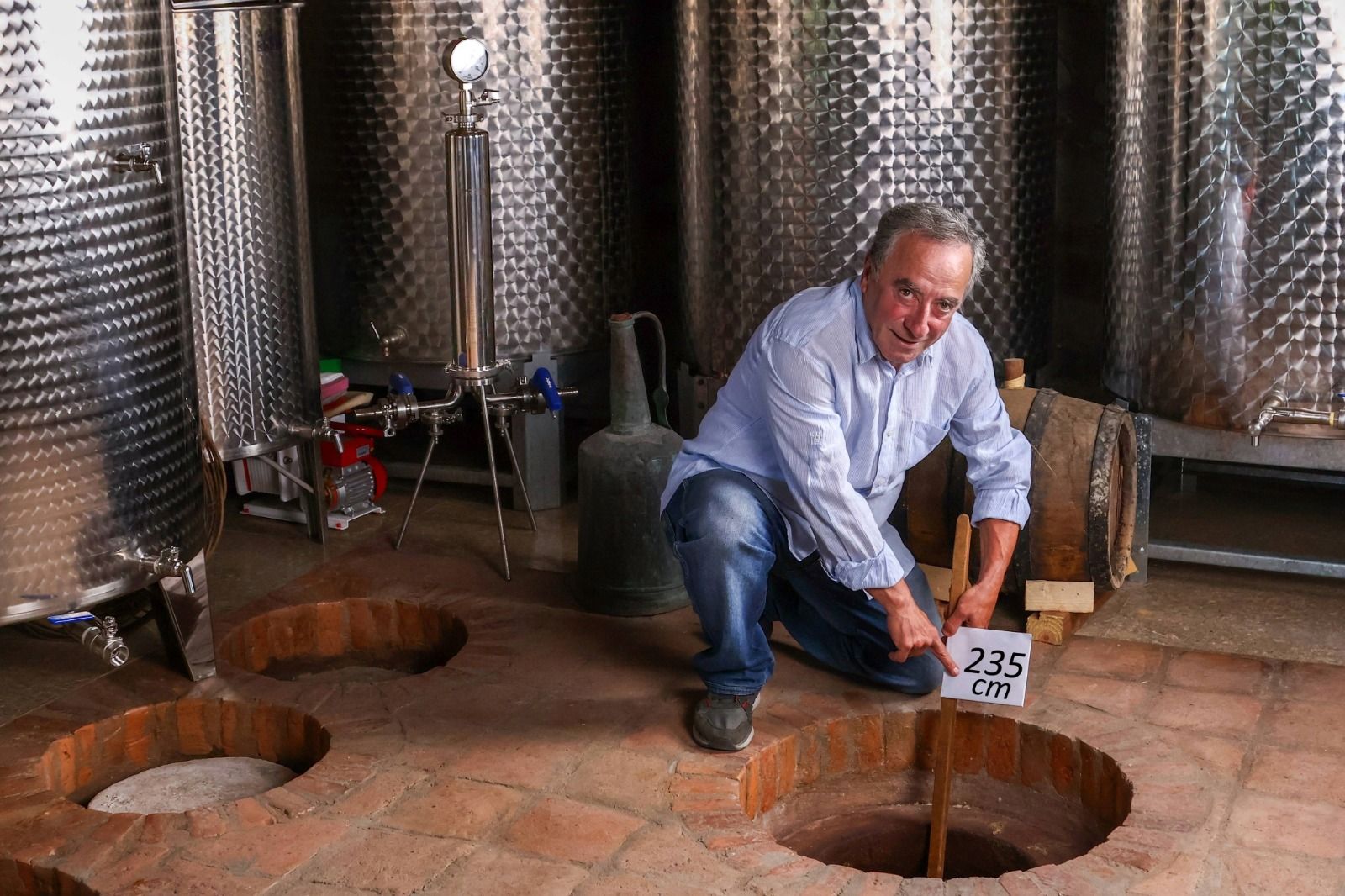
Kvevri (sometimes written as qvevri) are large clay amphorae, typically buried underground, used for fermentation and aging. Grapes are crushed and placed into the vessel whole—juice, skins, and often stems together—where fermentation begins naturally. Both white and red wines are treated the same way, which is why Georgia is famous for amber or orange wines: white grapes fermented on their skins like red wine. Once sealed, the kvevri is left untouched for months. No temperature control. No pumping over. No intervention. In spring, the vessel is reopened, revealing wines that are naturally stable, deeply textured, and unlike anything made through modern stainless steel or barrel fermentation.
The method is now recognised by UNESCO as part of the world’s Intangible Cultural Heritage, but its appeal today extends far beyond romance or tradition. Kvevri wines offer structure, grip, and food-pairing versatility, qualities that increasingly resonate with sommeliers and serious consumers.
A landscape shaped by borders, climate, and culture
Georgia sits at the crossroads of Europe and Asia, bordered by the Black Sea to the west, Russia to the north, and Turkey to the south. This geography creates striking climatic diversity, from subtropical conditions near the coast to continental climates inland.
There are ten official wine regions, with Kakheti accounting for around 70% of vineyard plantings. Here, warm summers, cold winters, and lower humidity create ideal conditions for grape growing. Georgia also boasts more than 500 indigenous grape varieties, though only a fraction are widely planted.
Most Georgian wine is not made in kvevri. These wines represent less than 5% of total production and are typically positioned as premium expressions. Yet they are often the wines that capture attention in markets, where drinkers are increasingly open to texture, savoury profiles, and wines with cultural depth.
Where tradition meets science: LTD Kardenakhi 7
Few producers illustrate the balance between ancient practice and modern precision better than LTD Kardenakhi 7, based in Kakheti. While Georgia is rich in history, Kardenakhi 7 represents a rare kind of rediscovery—wines made decades ago, quietly cellared, and only now entering global circulation.
At the 2025 London Wine Competition, the winery achieved extraordinary recognition. Saamo 1987, a fortified Rkatsiteli, won Best Wine of the Year by Quality with a perfect score of 100, as well as Best Indigenous Grape Wine of the Year. The winery itself was named Best Indigenous Grape Wine Producer of the Year. This success is no accident. At the helm is winemaker Malkhaz Gvelukashvili, a Georgian native with formal degrees in oenology and fortified wines. His approach combines rigorous scientific understanding with deep respect for traditional kvevri fermentation. The winery’s flagship fermentation vessel is a 140-year-old, 3,550-litre kvevri—still in use today.
Rare wines with global relevance
LTD Kardenakhi 7’s portfolio is small, focused, and inherently collectible.
- Saamo 1987 (Fortified Rkatsiteli) delivers remarkable balance and longevity, proving that Georgian fortified wines belong firmly in the global fine wine conversation.
- Khikhvi 1985 (Fortified Khikhvi) showcases the aging potential of a lesser-known indigenous grape, offering elegance and layered complexity.
- Rkatsiteli Qvevri 2019 provides a bridge between tradition and modern markets. A dry wine fermented fully on skins in kvevri, then aged briefly in oak, delivering structure, grip, and authenticity.
Why the UK market should pay attention now
The UK wine trade is increasingly focused on three things: authenticity, story, and value beyond price. LTD Kardenakhi 7's Georgian kvevri wines deliver all three. They align naturally with interest in orange wines, food-friendly styles, and wines that sit comfortably in both fine dining and specialist retail.
Kvevri winemaking is not a trend. It is the original blueprint for wine itself. And as the UK market continues to look beyond the familiar, Kardenakhi 7 offers something rare: wines that are ancient and entirely relevant to modern drinking culture. In a world of endless choice, that kind of clarity matters.
Header image sourced from LTD Kardenakhi 7.