Award Winners
London Spirits Competition 2026: Why These Winners Matter More Than Ever for Drinks Merchants
22/04/2026 From International London Spirits Competition insights to retail reality, discover how winners like No.3 Gin reflect what truly drives sales—combining quality, value, packaging, and positioning for modern drinks merchants.
The 2026 International London Spirits Competition has announced its winners following one of its most globally representative editions to date, bringing together entries from over 30 countries and judged by some of the most experienced buyers, bartenders, and spirits professionals in the industry.
On the surface, these results might appear to follow a familiar pattern — medals awarded, category winners celebrated, and brands highlighted for excellence. But for drinks merchants, the significance of these results runs much deeper. They offer a clear and timely insight into how products are being evaluated in today’s market, and more importantly, what is likely to succeed on the retail shelf.
Because the off-trade has changed. Quietly, but decisively.
Where once success was driven by range and discovery alone, today it is shaped by focus, clarity, and performance. Shelf space is no longer abundant, and consumer behaviour has become more deliberate. Customers are taking more time, comparing more carefully, and ultimately buying with greater intent. For retailers, this creates a different kind of pressure — not just to stock interesting products, but to stock products that will move.
In that context, the International London Spirits Competition stands out because it is built around the realities of how spirits are actually bought. Rather than focusing solely on taste, each product is evaluated across quality, value, and packaging, with quality carrying double weight. It is a framework that mirrors the retail journey. Customers do not taste first; they see, they assess, and they decide. The price must feel right, the packaging must communicate clearly, and the product must make sense within seconds.
This is why the winners of this competition matter. They are not just technically strong spirits. They are products that have already been filtered through the same lens that drives purchasing decisions in-store.
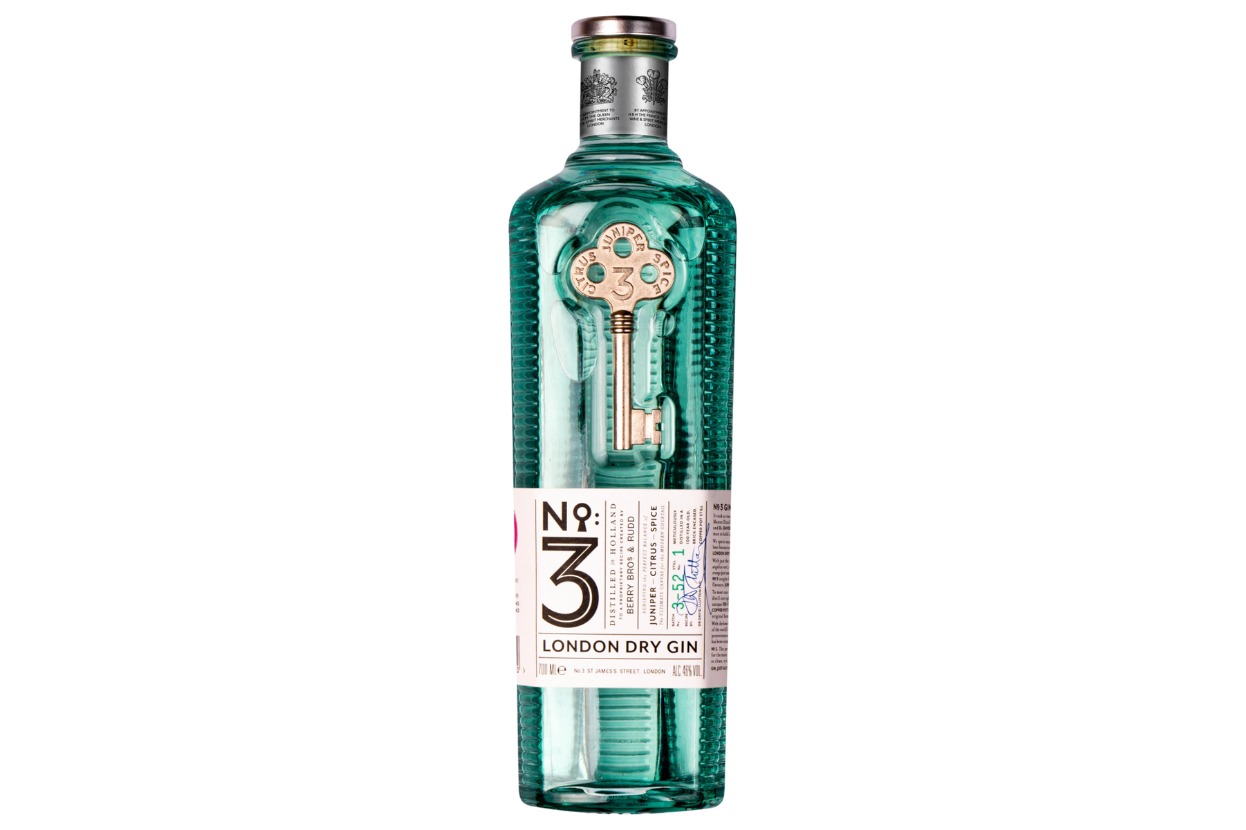
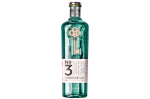
At the centre of this year’s results is No.3 Gin, awarded Spirit of the Year with a Double Gold medal and an impressive 98-point score. Its success is not driven by novelty or trend. Instead, it reflects something far more important in retail: confidence. Crafted by Berry Bros. & Rudd and distributed globally in partnership with Edrington, the gin carries a heritage of over three centuries. Developed carefully as a benchmark London Dry, it was designed to deliver precision and balance in classic serves, while its distinctive packaging reinforces its premium position on the shelf.
For drinks merchants, No.3 Gin is not just an award-winning product; it is a case study in how a spirit should be built for retail. It is clear in its identity, consistent in its delivery, and easy for both staff and customers to understand. That clarity reduces friction at every stage of the sale, and in today’s market, reducing friction is often what determines whether a product succeeds or stalls.
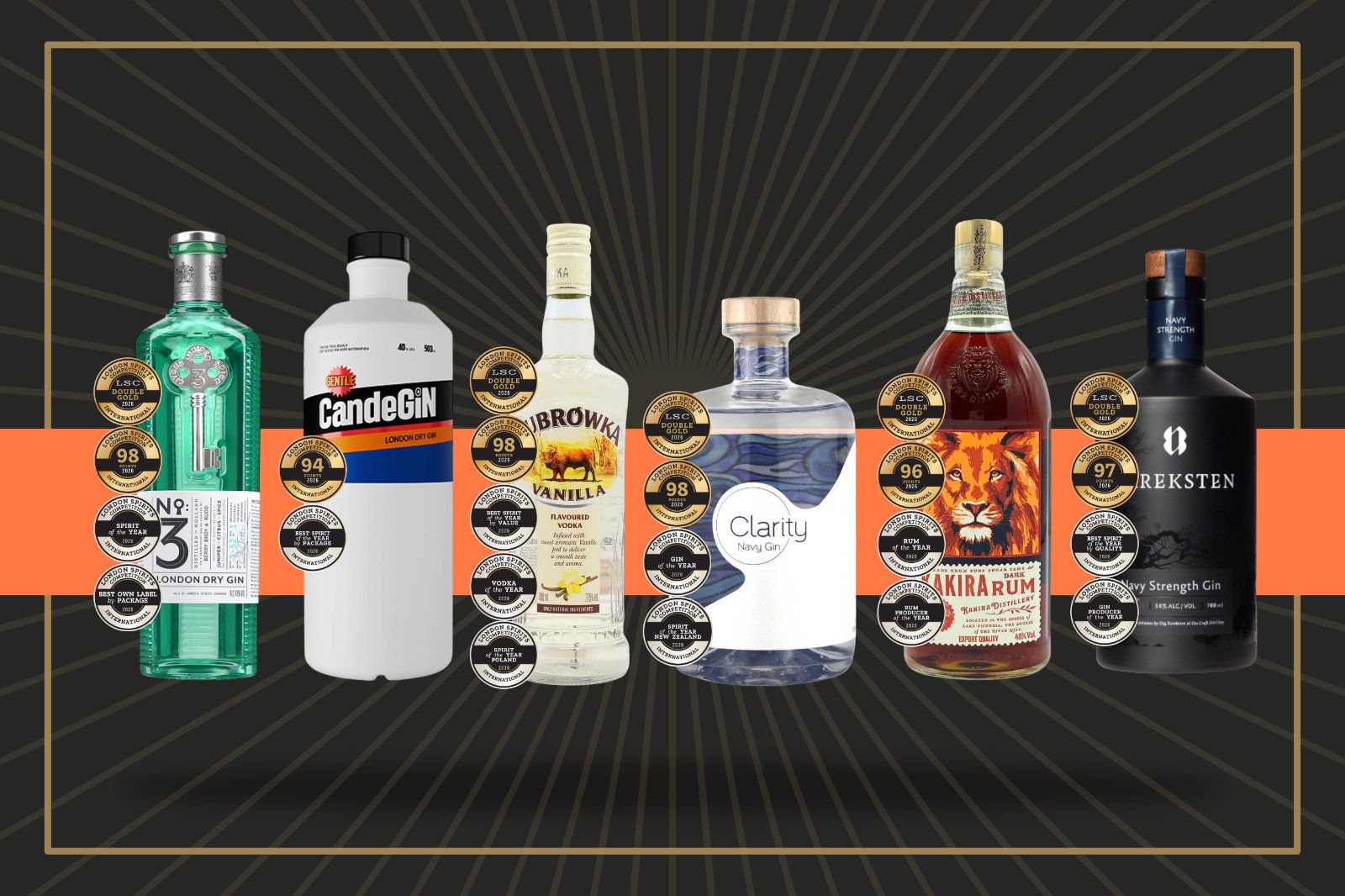
Looking across the broader results, a similar pattern begins to emerge. The market is not moving in extremes, but in balance. Products such as Żubrówka Vanilla Flavoured Vodka demonstrate the continued importance of accessible, flavour-led spirits that offer strong value and reliable volume. At the same time, premium expressions like Clarity Navy Gin show that consumers are still willing to trade up, provided the product is clearly positioned and justifies its price.
This balance between accessibility and premiumisation is becoming increasingly important for retailers. It is no longer enough to focus on one end of the market. A successful shelf today needs to serve multiple occasions — from everyday purchases to gifting, from quick decisions to considered exploration.
That sense of exploration is also reflected in the geographic diversity of this year’s winners. Spirits such as Kakira Dark Rum and Martin Albus Liker OD Višnje highlight how global the category has become, while established names like Herradura Reposado continue to reinforce the strength of key growth categories.
Consumers today are more open than ever to trying something new. But that openness comes with expectations. Products must still fit within familiar price ranges, communicate clearly, and deliver a reliable experience. Discovery may bring customers to the shelf, but it is structure and clarity that ultimately drive the purchase.
Packaging plays a crucial role in that moment. In the off-trade, the first interaction is almost always visual. A product has seconds to capture attention and communicate its value. The inclusion of packaging as a core judging criterion reflects this reality. It is not simply about aesthetics, but about function — how effectively a product can convert interest into a sale.
Another reason these results carry weight for drinks merchants lies in the judging panel itself. With over 70 industry professionals involved, including buyers, bartenders, and operators, the competition reflects the realities of the market. These are individuals who understand what happens when a product sits too long on a shelf, when pricing misses the mark, or when a label fails to communicate. Their evaluations are grounded not in theory, but in experience.
For retailers, this adds a level of reassurance. A high-scoring product has not only performed well in the glass but has also been assessed in terms of how it will function in a commercial environment. It is, in many ways, a form of pre-validation.
When viewed together, the winners of the 2026 International London Spirits Competition form a natural shortlist for merchants looking to refine their range. Not a list to follow blindly, but a set of signals to pay attention to. These are products that combine quality with clarity, value with positioning, and story with structure.
The way these products are placed in-store will ultimately determine how they perform. Premium spirits such as No.3 Gin or Bareksten Navy Strength Gin naturally lend themselves to higher shelf placement, where they can anchor the perception of quality and support gifting occasions. Core products like Żubrówka or Clarity Navy Gin belong in the most visible and accessible areas, where they can drive consistent rotation. More distinctive, story-led spirits such as Kakira Dark Rum or Martin Albus Liqueur benefit from spaces where customers are encouraged to browse and explore, supported by simple storytelling that brings their origin to life.
Meanwhile, the growing No and Low category — supported this year by dedicated judging panels led by Laura Willoughby and Josh Kelly — presents a different kind of opportunity. Positioned correctly, often near the point of sale or in a clearly defined section, these products can capture impulse purchases and tap into a steadily growing segment of mindful consumers.
Ultimately, the 2026 results reflect a broader shift within the off-trade. The market is becoming more focused, more disciplined, and more intentional. Consumers are buying with purpose. Retailers are selecting with greater care. And brands are being required to deliver across multiple dimensions.
The winners of the International London Spirits Competition are not just those that perform well in the glass. They are the ones who understand how products are discovered, evaluated, and purchased.
For drinks merchants, that makes them more than award winners.
It makes them products built to sell.